Weak randomness
Randomness derived from block or transaction values the proposer controls.
What it is
block.timestamp, blockhash, block.prevrandao and block.number are all visible to — or influenced by — whoever builds the block. Anything seeded from them is predictable to a determined party, and choosable by a party who builds blocks.
Why it matters
If money depends on the outcome, the outcome is selected rather than drawn. Lotteries pay the wrong winner, NFT reveals let bots mint only the rare traits, and a validator can retry until the result suits them.
The vulnerable pattern
Every input here is known or influenceable at execution time.
uint256 winner = uint256(
    keccak256(abi.encodePacked(block.timestamp, block.prevrandao))
) % players.length;
How to fix it
- Use a verifiable randomness oracle for anything with value attached.
- Or use a commit-reveal scheme where participants commit before the seed is known.
- Never derive randomness from a value that appears in the same transaction that consumes it.
How it is detected
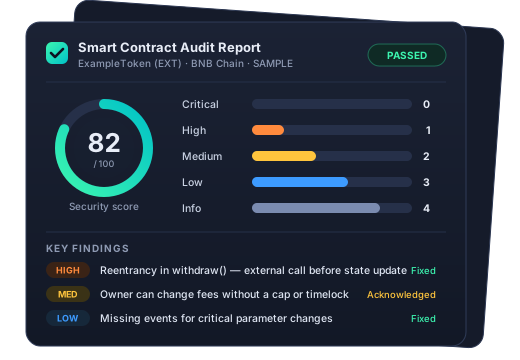
Every audit on EVM Smart Audit checks for SWC-120 and reports it as passed or flagged in the standards coverage grid — so the report tells you it was checked even when nothing was found. See the detector suite for what else runs alongside it, or the full database for the other 21 checks.
Check your contract for weak randomness
The engine runs this check and 21 others on every audit, and shows what passed as well as what failed.
 View sample report (PDF) ›
 Start audit